Y học Cộng đồng
- ISSN: 2354 - 0613
- DOI prefix: 10.52163
- Website: tapchiyhcd.vn Email: tapchiyhcd@skcd.vn
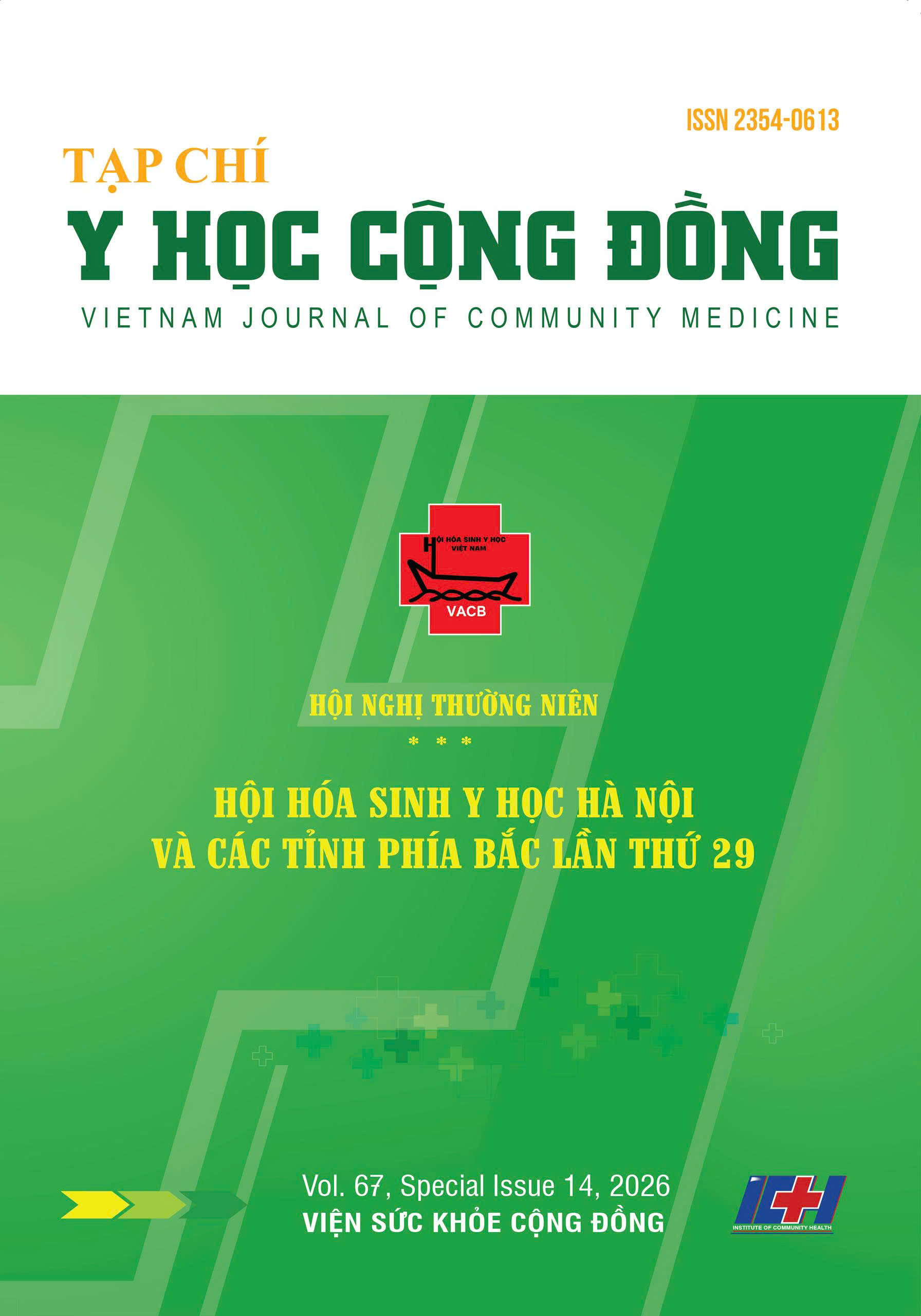
Giới thiệu về Tạp chí
Giới thiệu tạp chí
Tạp chí Y học Cộng đồng là Tạp chí khoa học khối ngành Sức khỏe, xuất bản bằng ngôn ngữ tiếng Việt và tiếng Anh. Đây là tạp chí khoa học có bình duyệt, công bố những công trình nghiên cứu gốc, bài tổng quan, bài bình luận, bài giới thiệu sách, tài liệu và những tin tức, sự kiện liên quan đến tất cả các khía cạnh trong lĩnh vực nghiên cứu, phổ biến chính sách, giáo dục, thực hành, đào tạo, trong lĩnh vực y dược học, y học lâm sàng, y sinh học, y học dự phòng và y tế công cộng. Tất cả các bài báo được xuất bản sẽ được gắn mã DOI nhằm tăng cường tính dễ tìm kiếm, truy cập, kết nối, trích dẫn của các công trình được công bố trên tạp chí. Tạp chí thuộc danh mục các tạp chí Khoa học lĩnh vực Sức khoẻ được tính điểm của Hội đồng chức danh giáo sư nhà nước hằng năm và được Bộ Khoa học Công nghệ xếp vào Danh mục các tạp chí đạt tiêu chuẩn khoa học Việt Nam năm 2026
1. Giấy phép hoạt động Báo chí in số 229/GP-BTTTT cấp ngày 19/6/2013
2. Giấy phép hoạt động Tạp chí in( cấp lại)số 227/GP-BTTTT cấp ngày 04/7/2023
3. Giấyphép cấp bổ sung 6687/BVHTTDL - BC cấp ngày 08/12/2025
4. Ngôn ngữ xuất bản: Tiếng Việt và Tiếng Anh
5. ISSN: 2354 - 0613
6. DOI prefix: 10.52163
7. Webside: tapchiyhcd.vn - Email: tapchiyhcd@skcd.vn
Mục đích, Tôn chỉ
Tạp chí Y học Cộng đồng (Journal of Community Medicine) là Tạp chí học thuật đa ngành trong các lĩnh vực Khoa học sức khoẻ có bình duyệt của Viện Sức khỏe Cộng đồng - Tổng hội Y học Việt Nam.
• Đăng tải thông tin về các hoạt động của Viện sức khoẻ Cộng đồng.
• Định kỳ theo kỳ hạn xuất bản để công bố các công trình nghiên cứu khoa học về Y học, dược học, y sinh học. công nghệ Y sinh và các lĩnh vực thuộc khối ngành Khoa học Sức khoẻ.
Phạm vi tạp chí
• Tạp chí Y học Cộng đồng xuất bản các bài báo, công trình nghiên cứu khoa học lĩnh vực khoa học sức khoẻ gồm:
• Nghiên cứu gốc (Original papers);
• Bài báo tổng quan (Review papers);
• Bài báo về các trường hợp/ca lâm sàng (Case study);
• Bài bình luận (Commentary);
• Tóm tắt luận án, luận văn (Thesis review/dissertation review);
• Thông tin khoa học công nghệ y-dược (Pharmaceutical and medical scientific information);
Tạp chí là diễn đàn khoa học cho các Tổ chức khoa học, Bệnh viện, Viện nghiên cứu, các trường Đại học, học viên, nghiên cứu sinh, giảng viên, các Bác sĩ, Dược sĩ, nhà khoa học trong và ngoài nước công bố, trao đổi nghiên cứu về học thuật trong khối ngành sức khỏe.
Chu kỳ xuất bản, phát hành
• Kỳ xuất bản tiếng việt: 01 tháng/kỳ - 12 kỳ/năm (không bao gồm số phụ bản, số chuyên đề hội nghị, hội thảo khoa học, kỷ yếu...)
• Phát hành: Ngày 25 hàng tháng.
• Kỳ xuất bản tiếng anh: 02 kỳ/năm; phát hành vào ngày 25 các tháng 5-11
Qui định xuất bản
Qui chế xuất bản Tạp chí Y học Cộng đồng
1. Qui định về Đạo đức nghiên cứu Y sinh học
2. Khai báo xung đột lợi ích
3. Qui chuẩn ORCID
4. Sử dụng AI
5. Tuyên bố chia sẽ dữ liệu
6. Qui trình phản biện
7. Qui trình thu hồi bài báo